

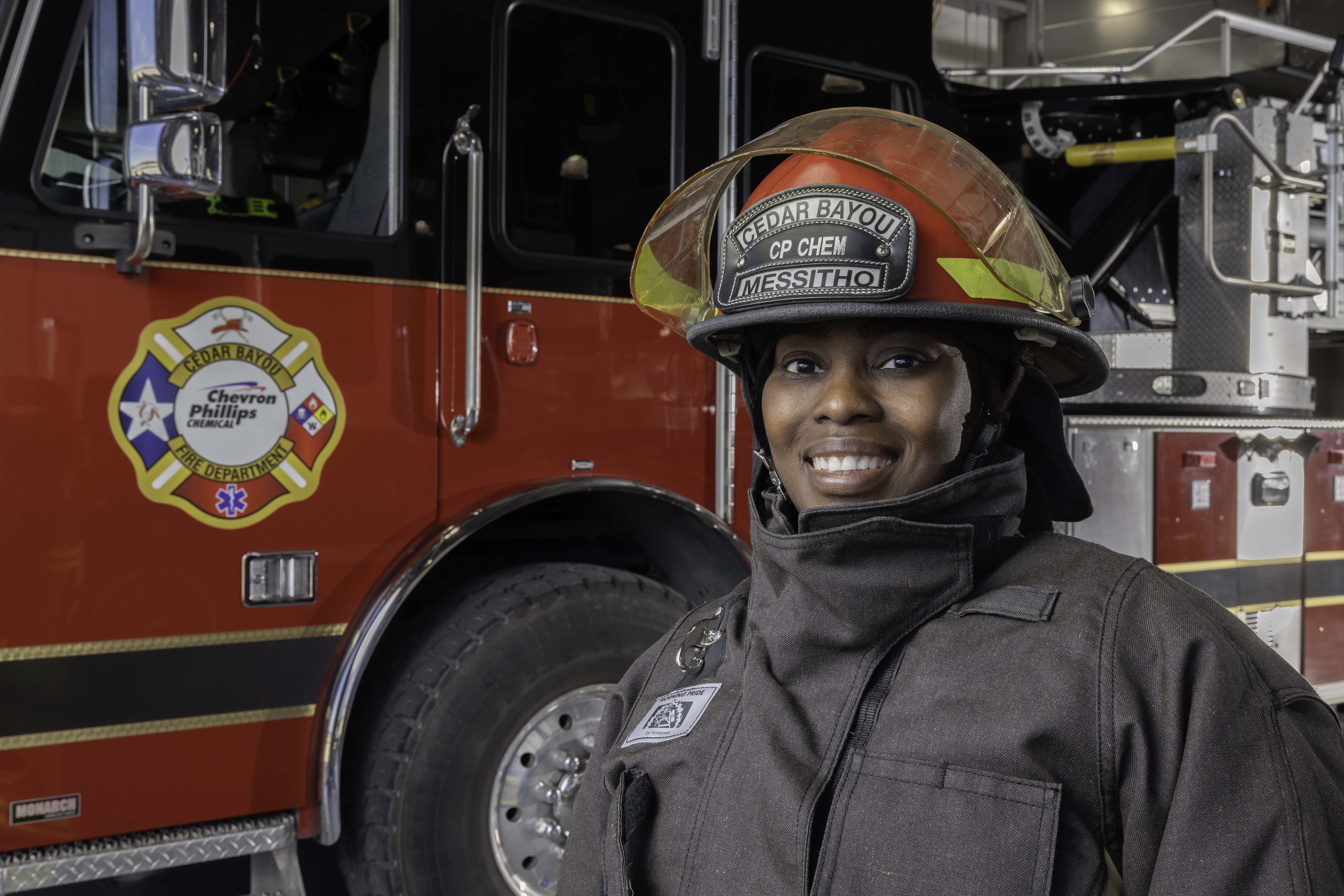
As we enter hurricane season, communities along the Gulf Coast begin reviewing plans, watching forecasts and making sure the right systems are in place. For manufacturers operating in high-hazard environments, that seasonal rhythm reinforces an important truth: emergencies can happen with or without warning, and readiness must exist either way.
At Chevron Phillips Chemical, emergency response readiness is built into how the company operates every day. Preparation, operational discipline and shared responsibility help teams act decisively when circumstances change.
Preparedness is designed into daily work.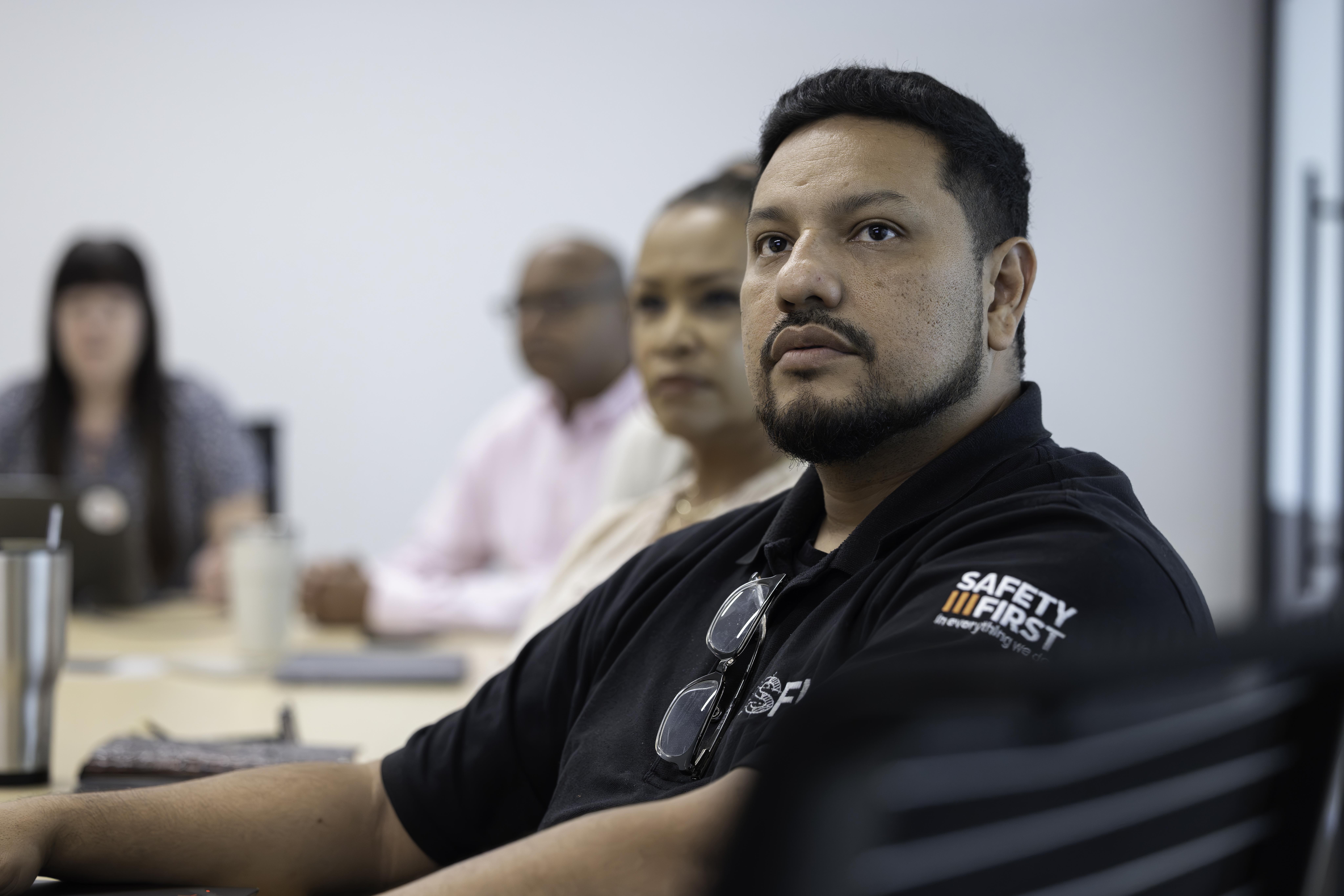
Readiness is part of how work gets done
CPChem’s approach to safety is guided by Our Journey to Zero, the company’s Environmental, Health, Safety and Security strategy focused on reducing high-potential, high-consequence incidents. Emergency response readiness reinforces this framework and offers a clear test of its effectiveness.
The same practices that help prevent incidents also shape how teams respond if one occurs. Clear roles, consistent procedures and well-understood expectations reduce uncertainty. When uncertainty is reduced, hesitation is less likely in critical moments.
This approach emphasizes ownership at every level. Readiness is embedded across operations, helping people understand their responsibilities and how their actions connect during time-sensitive situations.
Planning before the job begins
Effective emergency response depends on preparation that happens well in advance of an event. Teams identify potential scenarios, clarify responsibilities and coordinate actions so they can respond quickly if needed. As CPChem Emergency Preparedness and Response Manager Eric Anderson describes, that planning happens down to the task level:
“Let’s say personnel are entering a confined space that’s been prepared, tested and deemed safe for entry. Even before they enter, a rescue plan has already been created well in advance. Personnel entering the space work directly with first responders on the outside to coordinate and execute emergency response protocols.”
Emergency equipment is routinely inspected and tested, and training reinforces technical skills, communication and coordination across roles. Drills and exercises help teams practice procedures before an emergency, so actions are familiar when moments matter.
That preparation extends to the systems that support response. As Anderson notes, digital tools play a role in standardization:
“We use different applications to help us track data from a regulatory standpoint. Technology has automated manual processes, allowing us to focus our attention where it matters most: emergency preparedness.”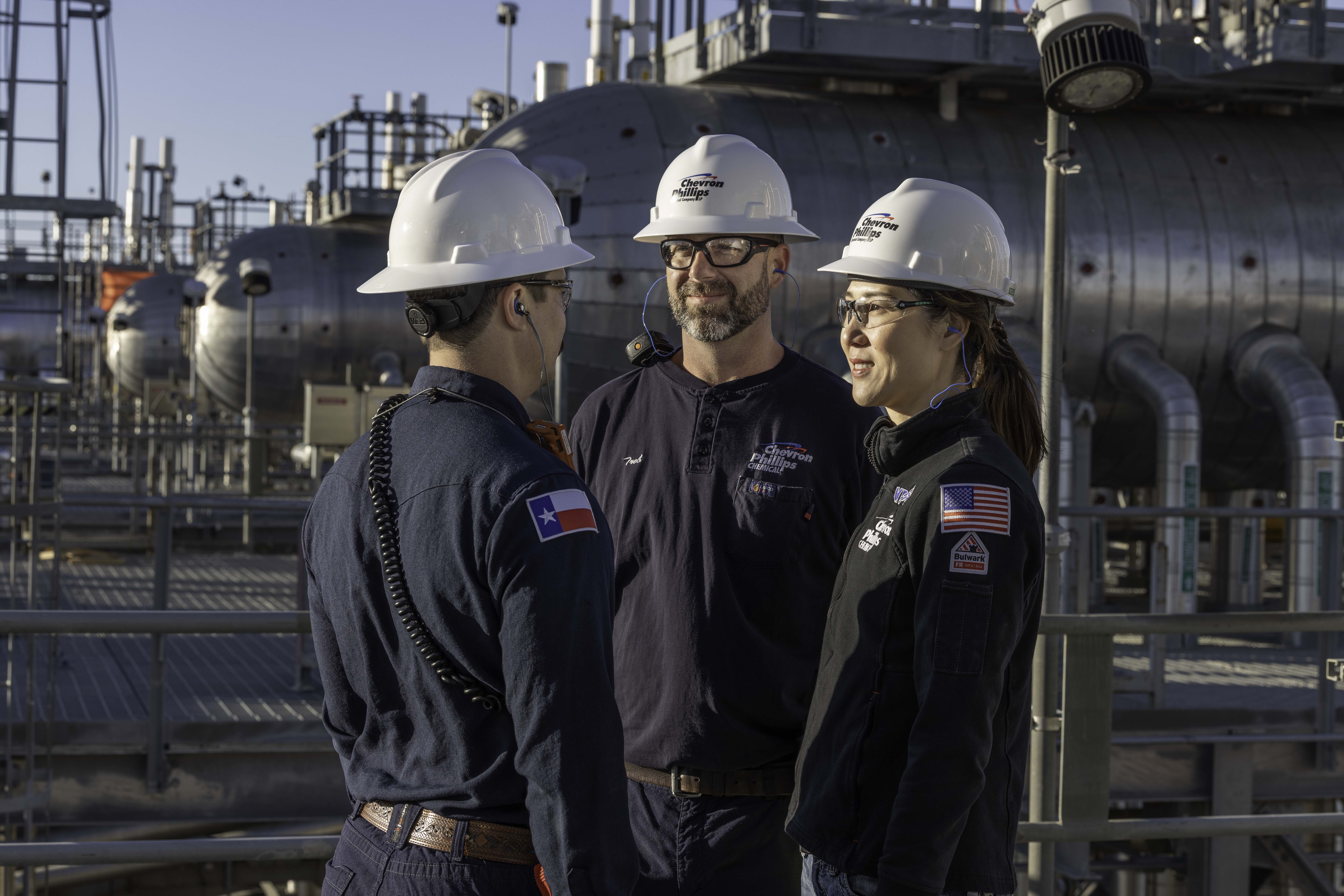
The goal is to turn planning into practical, repeatable actions that are easier to execute under pressure.
A visible example: preparing for hurricane season
Seasonal hurricane preparedness offers a clear example of how this approach comes to life.
Well before storms form, CPChem reviews and updates response plans, confirms emergency communication systems, coordinates with response contractors and ensures employees know how and where to access timely information. Preparation follows a structured, phased approach — before, during and after a storm — designed to support employee safety, protect facilities and communities, maintain continuity through changing conditions and recover quickly.
While hurricanes present unique challenges, the underlying principles are the same ones that guide CPChem’s broader emergency readiness: plan early, communicate clearly and reduce uncertainty before it becomes consequential.
Continuous improvement, not static plans
Emergency response readiness is never finished. It depends on regularly testing procedures and practices, incorporating lessons learned and strengthening systems as conditions, operations and risks evolve.
At CPChem, preparedness is reviewed and refined through exercises, inspections and operational learning, with opportunities for improvement documented and tracked to completion. This disciplined approach helps readiness mature alongside the business instead of becoming a static plan.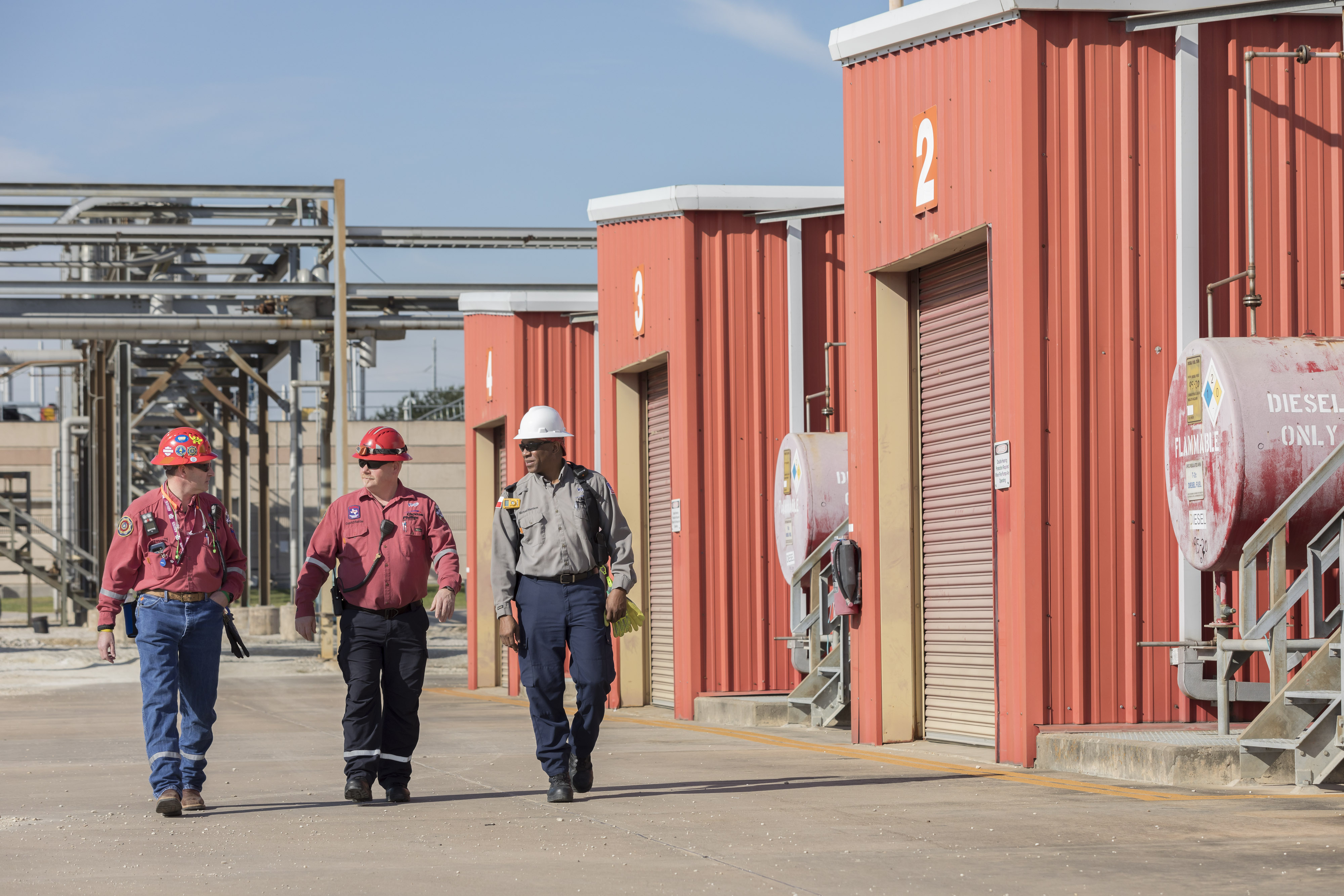
That commitment to continuous improvement was reflected in CPChem’s recent recognition by the American Chemistry Council, which named the company Responsible Care® Company of the Year and the Responsible Care® Initiative of the Year recipient. The honors highlighted CPChem’s sustained performance across environmental, health, safety and security programs, as well as its disciplined, risk-based approach to identifying and addressing the safeguards most critical to preventing high-consequence events.
While external recognition is not the objective, it provides independent affirmation that strong preparedness is built through governance, accountability and continuous learning, the same foundations that support effective emergency response. For CPChem, the focus remains on ensuring systems, training and coordination continue to improve, so teams are better prepared for whatever conditions may arise.
What readiness really means
Emergency response readiness is often misunderstood as the ability to react. In reality, it is the result of disciplined preparation carried out every day.
At CPChem, readiness means having clear expectations and defined roles, practiced response planning, reliable equipment and systems, and strong coordination with response services, all supported by a culture that prioritizes early, decisive action.
When emergencies occur, outcomes in the first moments are shaped by established practices and operational discipline built long before an event ever unfolds.