


"Using our Climate Change priorities and the Climate Action Objectives as guides, we leverage teamwork and innovation to identify opportunities that seek to reduce emissions intensity and bring us closer to reaching our targets."
—Rick Wagner,
Director, Sustainability
Climate Change
At CPChem, we believe the chemical industry plays an important role in the transition to a lower-carbon future. Optimizing the processes and materials used to make our products while seeking to minimize their environmental impact are helping us pursue our climate goals.
Carbon Intensity Aspirational Target
In 2022, CPChem announced an aspirational target for 2030 that aimed to reduce the company’s operated Scope 1 and Scope 2 carbon intensity by 15% compared to a 2020 baseline. The company has updated its aspirational target to remove the 2030 timeline. This adjustment reflects strategic assessments of changing policy and regulatory conditions and the significant economic realities that make large-scale carbon intensity reductions challenging.
CPChem’s approach is grounded in disciplined business practices that safeguard long-term resilience while recognizing that meaningful progress depends on supportive market signals and enabling policy and regulatory frameworks. Industry-wide headwinds, evolving technologies, and volatile market dynamics require flexibility to ensure CPChem’s targets remain aspirational and achievable.
This update reinforces CPChem’s commitment to advancing carbon intensity reduction initiatives that align with operational feasibility and strategic objectives, while acknowledging that sustained progress will require collaboration across industry, investment and regulatory ecosystems. CPChem remains confident in its sustainability strategy and will continue efforts to reduce carbon intensity, maintain sustainable growth and contribute to a lower-carbon future.

Pathways to Reducing Emissions Intensity
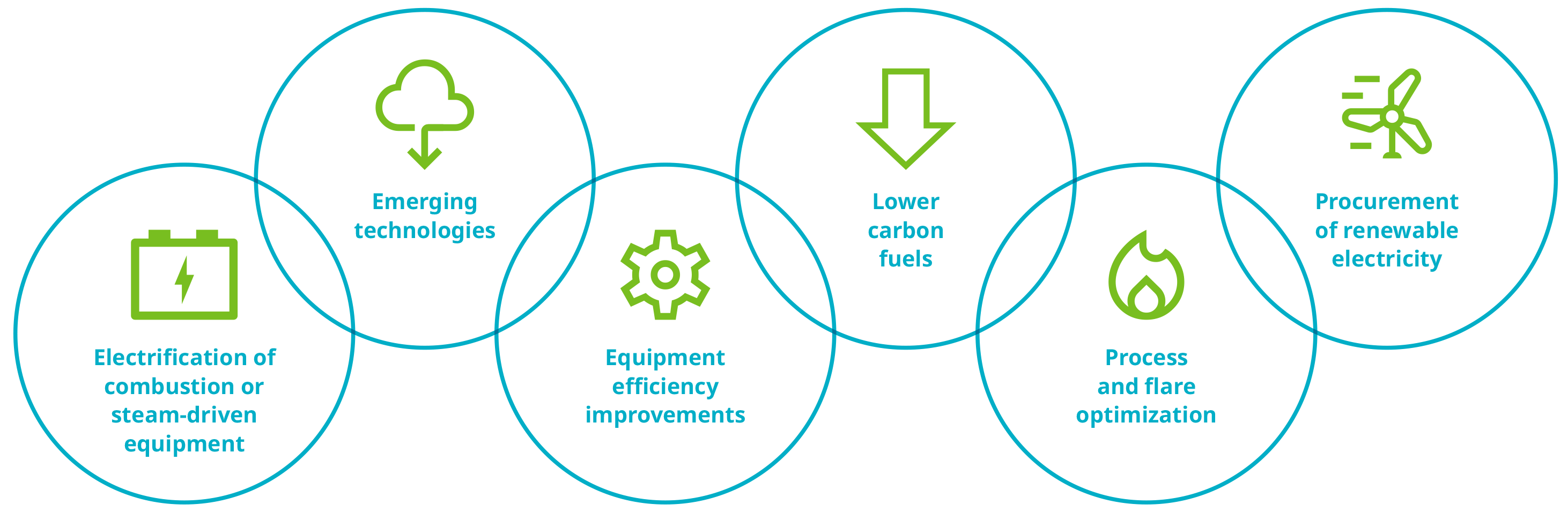
Our goal of reducing greenhouse gas (GHG) emissions intensity drives CPChem’s sustainable development strategy across the value chain. We plan to use a multi-faceted approach in this work which includes:
A Custom, Data-driven Approach
CPChem facilities across the globe further the company’s GHG emissions reduction strategy by identifying and prioritizing emissions reduction projects. We use the Marginal Abatement Cost Curve (MACC) process for ideation and research to develop site-specific strategies aimed at reducing emissions and optimizing energy efficiencies. Together, multi-disciplinary teams are working to identify immediate and long-term solutions for emissions reductions and decarbonization projects.
Information and ideas generated from CPChem’s MACC assessments will help the company achieve its goals and continue support of SDG #13 Climate Action.




See how we're turning our mission into action.

07/28/2025
THE WOODLANDS, Texas — Chevron Phillips Chemical today published its 2024 Sustainability Report. Titled Spot on, the organization’s 14th sustainability report reflects the purpose, people and pr ...

07/21/2025
Photo credit: Plastics EuropeCPChem VP of Sustainability Benny Mermans, the newly elected president of Plastics Europe, and Virginia Janssens, managing director of Plastics Europe CPChem’s Benny ...
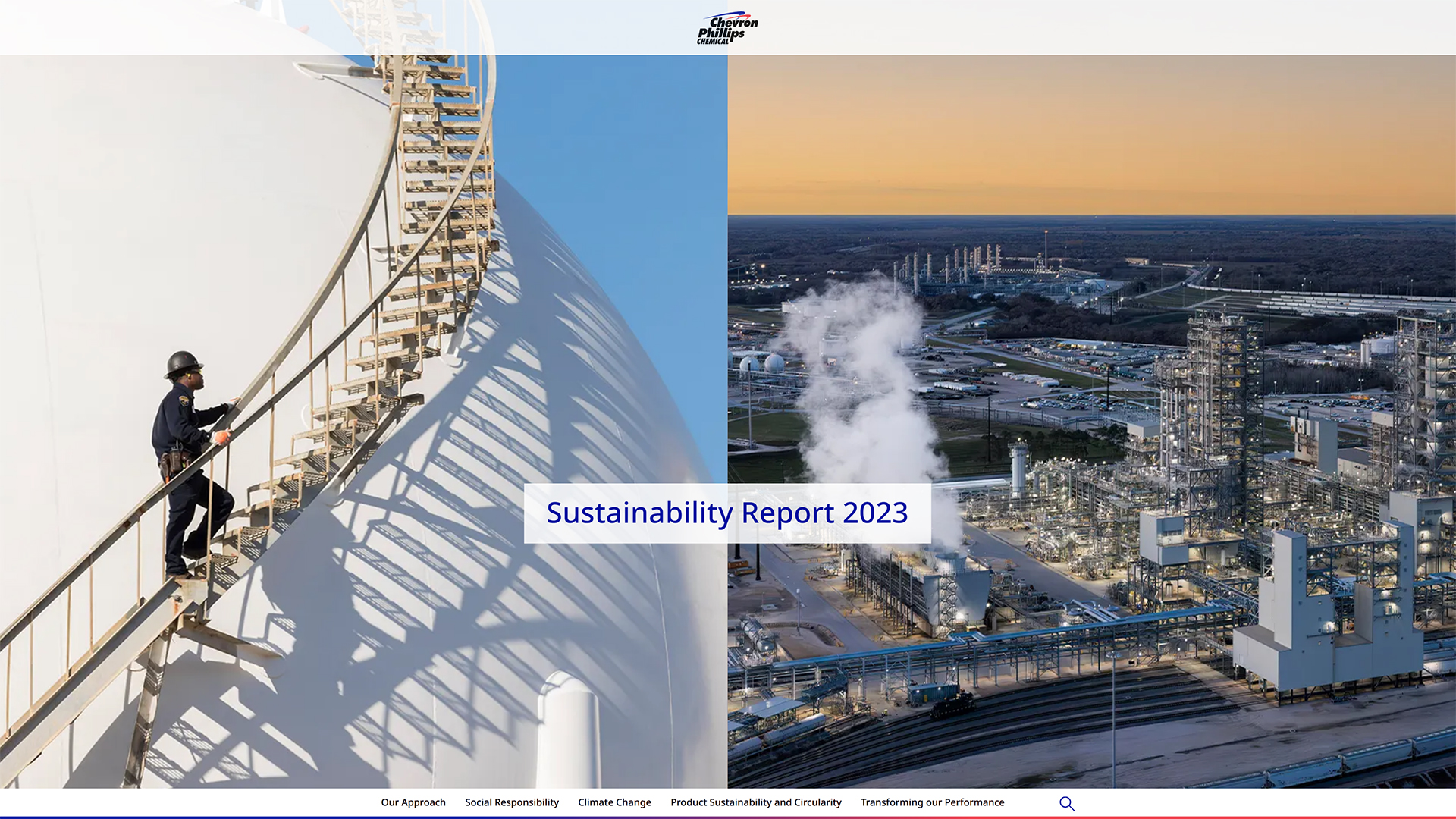
07/18/2024
THE WOODLANDS, Texas — Chevron Phillips Chemical today published its 2023 Sustainability Report, a comprehensive document that showcases the company’s efforts and notable achievements in its journey t ...
